Explore New Competitive Bridge Games Ideas
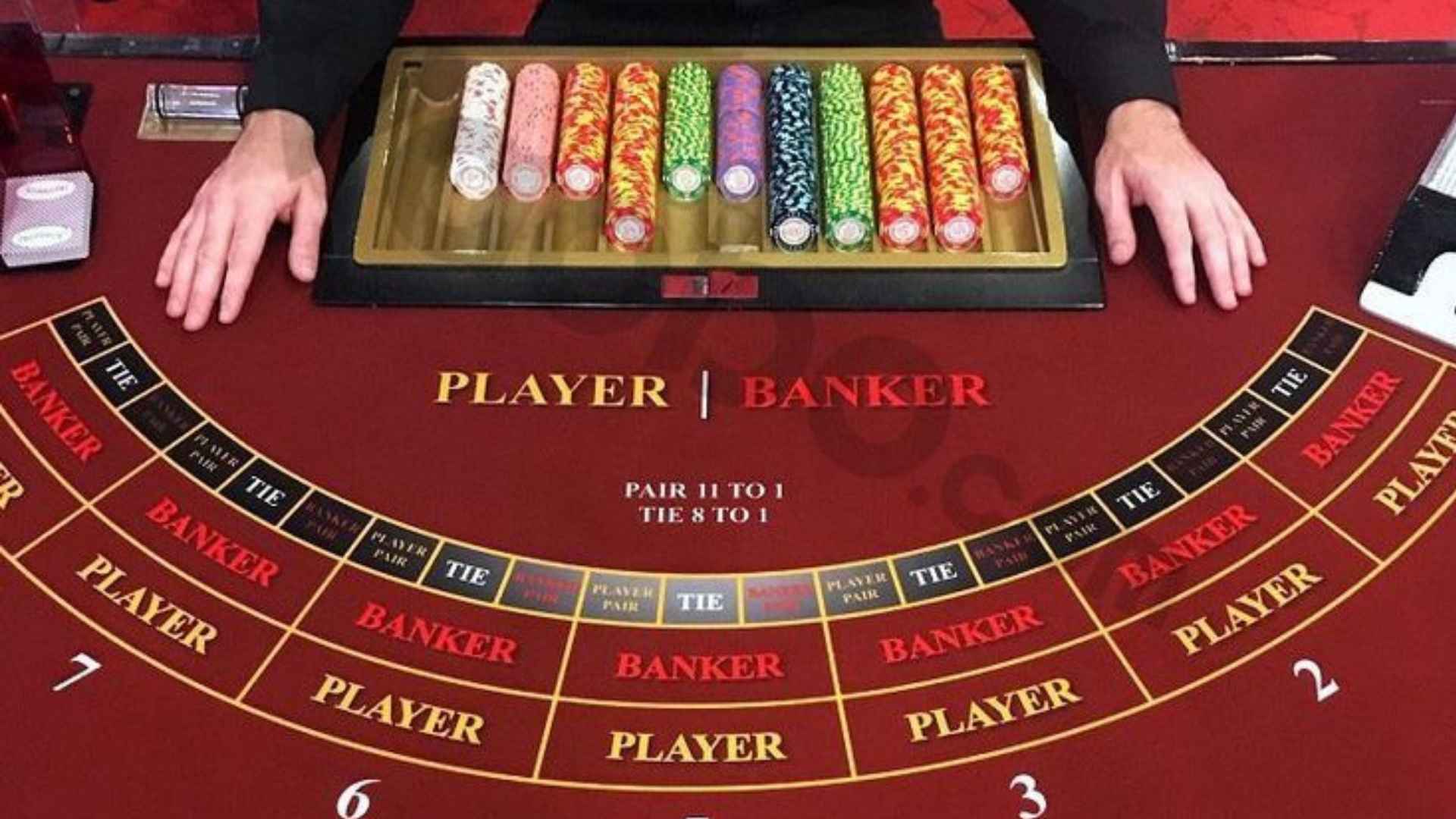
The traditional trick-taking game of contract bridge has long been celebrated as the ultimate mind sport, testing logical reasoning and partnership coordination. As the digital era continues to evolve, tournament organizers and card enthusiasts are seeking fresh formats to revitalize the competitive scene. By introducing modern modifications and creative structural changes, the community can attract new generations while keeping seasoned veterans thoroughly engaged.
Embracing Accelerated Time Formats
Traditional duplicate matches often require hours of sustained concentration, which can feel daunting for younger players. Introducing fast-paced variations with strict time limits per trick can inject a high-intensity dynamic into standard tournament frameworks. These quick-fire setups force participants to rely heavily on rapid cognitive processing and sudden intuitive decisions.
Furthermore, shorter sessions allow organizers to host multiple mini-tournaments within a single weekend schedule. This structure provides immediate feedback and leaderboard updates, maximizing the excitement for highly competitive individuals. Adapting to a rapid pacing system transforms the classic game into a thrilling sprint of wits.
Integrating Modular Team Scoring
Standard team events usually rely on fixed scoring systems that aggregate total international match points over lengthy boards. A new approach involves introducing modular scoring systems where point weights shift dynamically depending on the vulnerability conditions. This method rewards bold declarations and tactical risks during critical high-value phases of the match.
Players must constantly evaluate their defensive strategies against evolving tournament parameters rather than relying on standard conservative play. To understand how shifting strategic patterns affect general card game variants, many modern enthusiasts visit the M88 asia platform to analyze competitive setups. Implementing these variable scoring frameworks encourages partnerships to develop flexible tactical roadmaps.
Designing Variable Deck Layouts
While standard duplicate bridge ensures a completely level playing field by utilizing identical deals, experimenting with constrained decks can spark novel strategic concepts. Removing specific low-value spot cards or introducing pre-defined honor distributions creates unique operational challenges for bidders. These custom layouts force partnerships to abandon memorized convention sheets and calculate probabilities completely from scratch.
This innovative setup highlights pure analytical adaptation over standard textbook memory systems. It also serves as an excellent training tool for intermediate players looking to improve their relational inferences. Navigating asymmetrical information environments ultimately creates a more versatile competitive field.
Fostering Hybrid Partnership Matches
Another compelling concept involves randomizing partnership pairings during intermediate stages of large tournament events. Instead of relying on a single fixed ally, competitors must adapt their bidding language to match the tendencies of a newly assigned teammate. This hybrid format tests an individual's universal understanding of system signals and psychological flexibility.
Achieving victory under these conditions proves a participant's comprehensive mastery of the sport rather than isolated dual chemistry. It also encourages a highly supportive community atmosphere as players share diverse tactical viewpoints. Over time, these fluid collaborative structures can redefine tournament excellence.